Aroha Suggestions
August 2026
September 2026
Posts on this Page:
North Bali Airport; Denpasar to Lovina; Giri Manggala Temple; Seririt Market;
Banjar Hot Springs; Krisna Water Sports; Spice Beach Club; Lovina Weather;
Misconceptions of North Bali; 10th Table Restaurant; Wild North Bali;
Kintamani Dogs; Balinese Village; bioluminessence; Cooking Classes;
Pengliporan Village; Lovina Tourism;
North Bali Airport Update
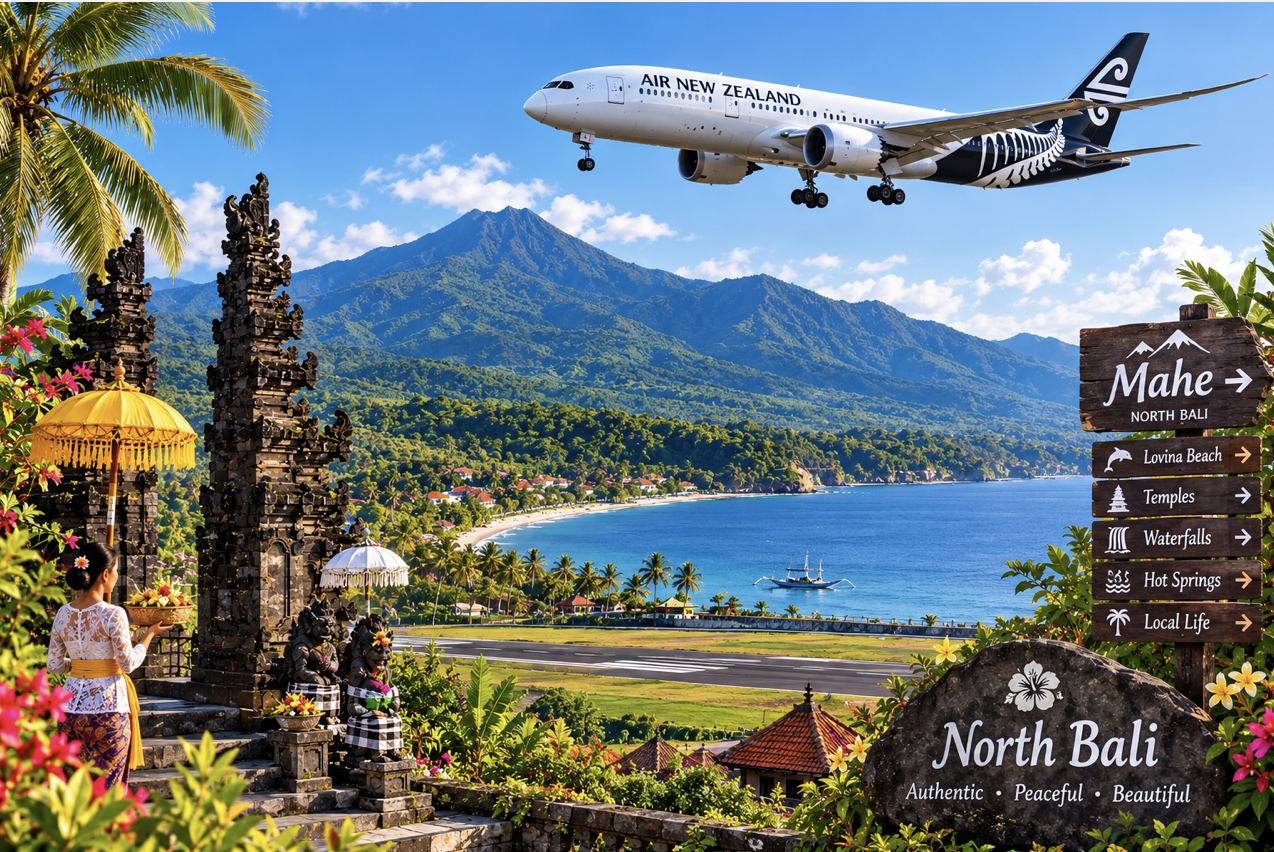
The proposed North Bali International Airport is once again receiving serious attention from the Indonesian Government after many years of delays and uncertainty. The project is being promoted by PT BIBU Panji Sakti, with the Indonesian Presidential Staff Office recently holding discussions with the company about construction, airport design, financing and technical requirements. The proposed airport location is in northern Buleleng, with Sumber Klampok currently identified as the preferred site. However, some recent reports still refer to Kubutambahan, so the final location and footprint should not yet be regarded as completely settled. The project has significant potential to transform tourism in North Bali by providing an alternative to Ngurah Rai International Airport in the south. Current estimates suggest that the airport could eventually place Lovina approximately 20–40 minutes away by road, with Dencarik and Aroha Villa potentially even closer. Despite the renewed government support, construction has not yet definitively commenced and there is no confirmed opening date. Financing, final approvals and infrastructure arrangements remain important outstanding issues. For Aroha Villa, the airport could be a major long-term advantage, potentially reducing the journey for international guests from several hours to around 30 minutes.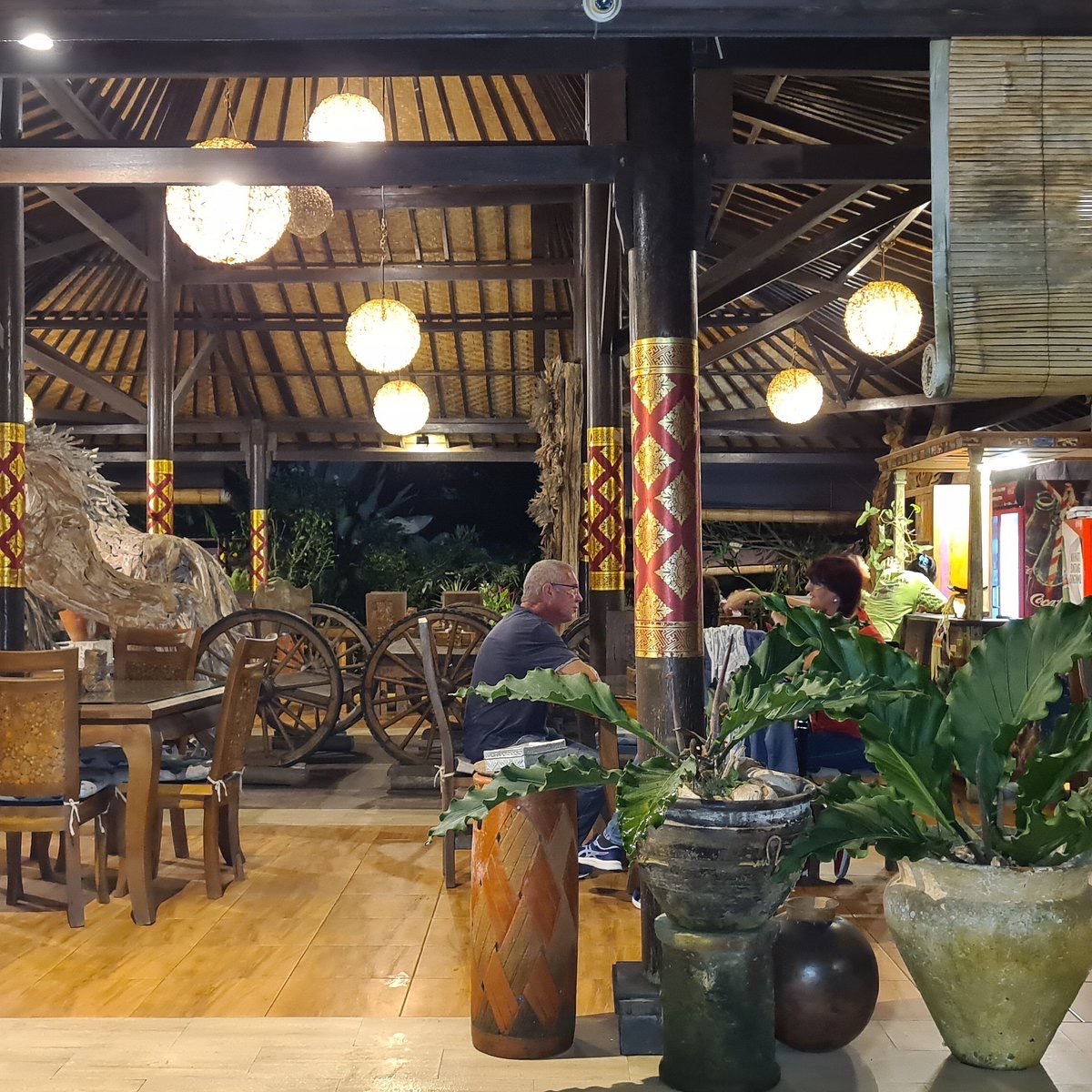
From Denpasar to Aroha Villa
The journey from Denpasar to Dencarik is more than travelling across Bali. As the busy streets fade, the scenery changes to traditional villages, rice fields, tropical forests and cooler mountain landscapes. A pleasant stop is Billy’s D’Desa, near Perean. Surrounded by gardens, traditional Balinese carvings, fish ponds and lush vegetation, it is an ideal place for lunch, coffee or a refreshing drink. Its relaxed atmosphere offers a glimpse of Bali’s quieter, more authentic side.Continuing north, the road climbs towards Lake Beratan and the iconic Ulun Danu Beratan Temple. Dedicated to the Godess of life giving water it is the most visited Temple in Bali. Set beside the lake and surrounded by mountain scenery, this peaceful landmark showcases traditional architecture, gardens and spectacular views.
The route then passes through Wanagiri, known for forest-covered hills with monkey populations, mountain lakes and excellent photo opportunities. Descending towards the north coast, the landscape changes to tropical plantations, villages and warmer coastal scenery. Near Lovina and Dencarik, life moves at a slower pace. Passing through Singaraja, the ancient Dutch capital, you can see the famous dolphin monument before continuing west through villages, rice fields and vineyards to the peaceful coastline and Aroha Villa.
Vihara Giri Manggala
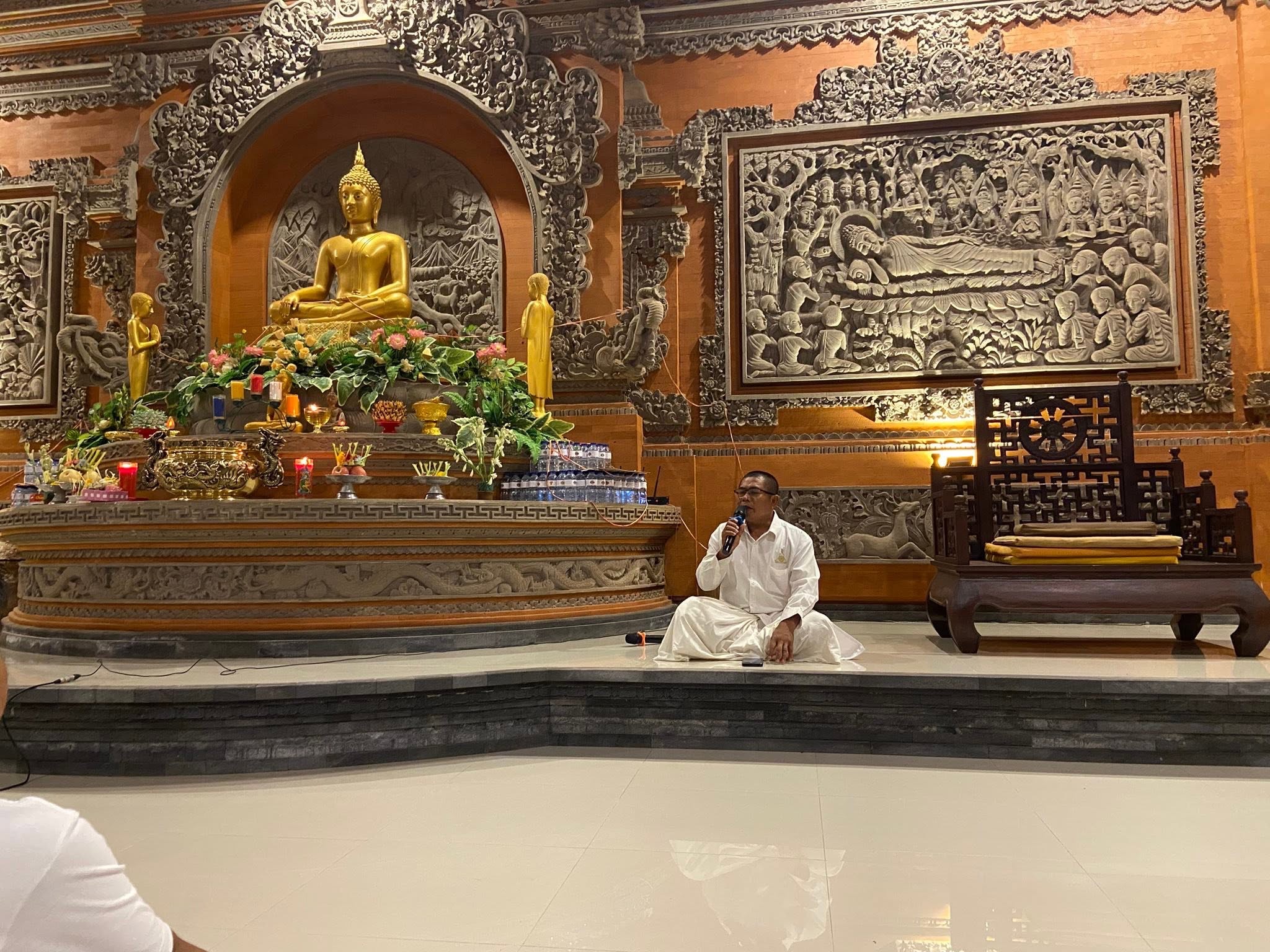
Hidden among the peaceful countryside of Alasangker, between Lovina and Singaraja in North Bali, Vihara Giri Manggala is a fascinating Buddhist temple where Theravada Buddhism blends naturally with Balinese culture.The vihara is set in a tranquil, forested environment, making it a particularly peaceful place to visit, reflect and experience a quieter side of Bali.
The Buddhist community here has its roots in the 1950s, when the respected monk Bhante Girirakkhito began spreading the teachings of Buddhism among communities in Alasangker, Petandakan and Penglatan. The present vihara developed over many years through the dedication and support of local devotees.
One of its most interesting features is its distinctly Balinese architecture and ceremonial traditions. Buddhist devotees may wear traditional Balinese clothing, while offerings and decorations reflect local customs. The result is a remarkable example of the way different religious traditions have lived alongside one another in Bali.
The vihara includes a Buddhist shrine, meditation areas, a Bodhi tree and a stupa. During important celebrations such as Vesak, local Hindu residents also visit the temple, demonstrating the longstanding spirit of religious tolerance in the community.
Traditional Market in Seririt
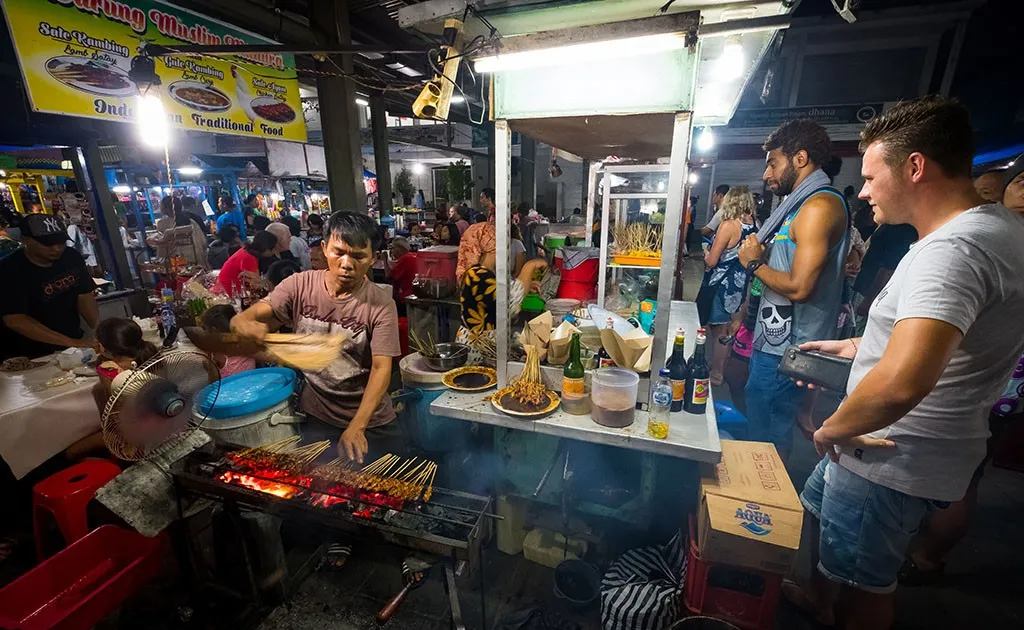
Seririt Market is one of the best places in North Bali to experience everyday Balinese life away from the main tourist areas. Located in the town of Seririt, west of Lovina, the market is a lively meeting place for local residents, farmers, traders and visitors. The market is particularly interesting in the morning, when fresh produce arrives from the surrounding villages. Stalls are filled with colourful tropical fruits, vegetables, spices, herbs, flowers and traditional Balinese ingredients. You can also find freshly prepared foods, snacks, cakes and local specialities that provide an opportunity to taste flavours that are rarely found in conventional tourist restaurants. Beyond the shopping, the real attraction is the atmosphere. The market offers a glimpse into the daily rhythm of North Bali, with locals buying ingredients for their families, vendors calling out to customers and traditional Balinese customs continuing alongside modern life. For visitors staying in Lovina or Dencarik, Seririt Market makes an interesting short excursion. It provides an authentic contrast to the beaches and resort areas and is an excellent place for photography, especially for those interested in people, food, colour and everyday Balinese culture.A visit to Seririt Market is not simply shopping—it is an opportunity to see Bali as the Balinese themselves experience it.
Banjar Hot Springs
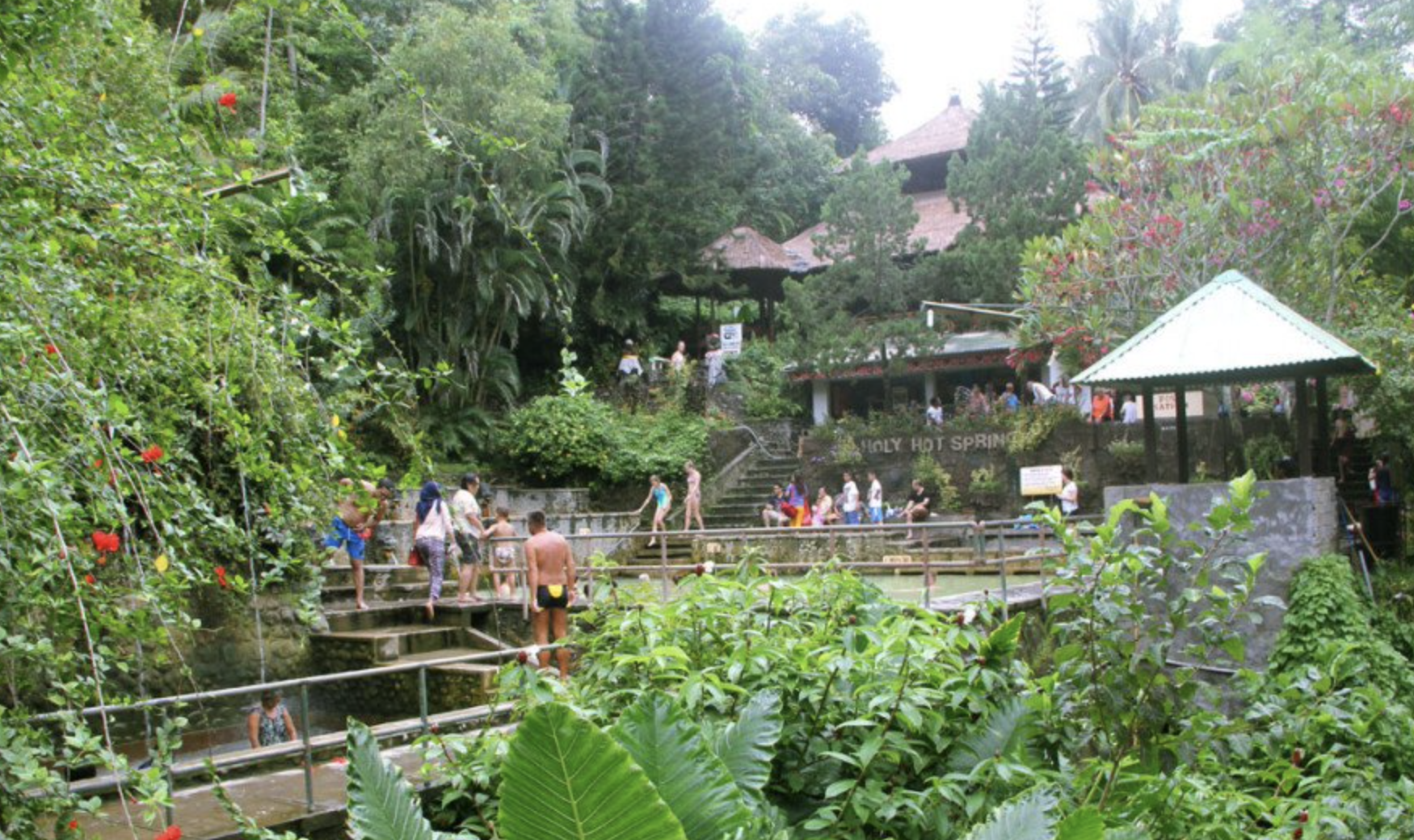
Banjar Hot Springs, known locally as Air Panas Banjar, lies in the lush hills of Banjar Village in Buleleng Regency, North Bali, about 5 km inland from the Lovina coast and around 25 km west of Singaraja. It is also close to the famous Brahma Vihara Arama Buddhist monastery. The natural springs have been used by local communities for hundreds of years. During the Japanese occupation of Bali in World War II, the bathing area was substantially developed, including the construction of pools. Today, the springs remain an important recreational attraction for both Balinese people and visitors. The pools reflect Bali's distinctive culture and craftsmanship. Warm water flows through carved naga (dragon) spouts, with the tiered pools surrounded by tropical vegetation. The site has a relaxed, social character, with local families and tourists bathing together. The water is naturally warm, around 38°C, and contains sulphur and other dissolved minerals. Scientific research confirms that Banjar is part of Bali's geothermal system, with the thermal water resulting from underground geological processes. The water is generally described as clear to slightly cloudy, with a characteristic sulphurous smell. Local tradition attributes therapeutic benefits to the mineral water, particularly for skin and rheumatic complaints, although these health claims should not be regarded as medically proven.Talk to Adhi - he can take you there
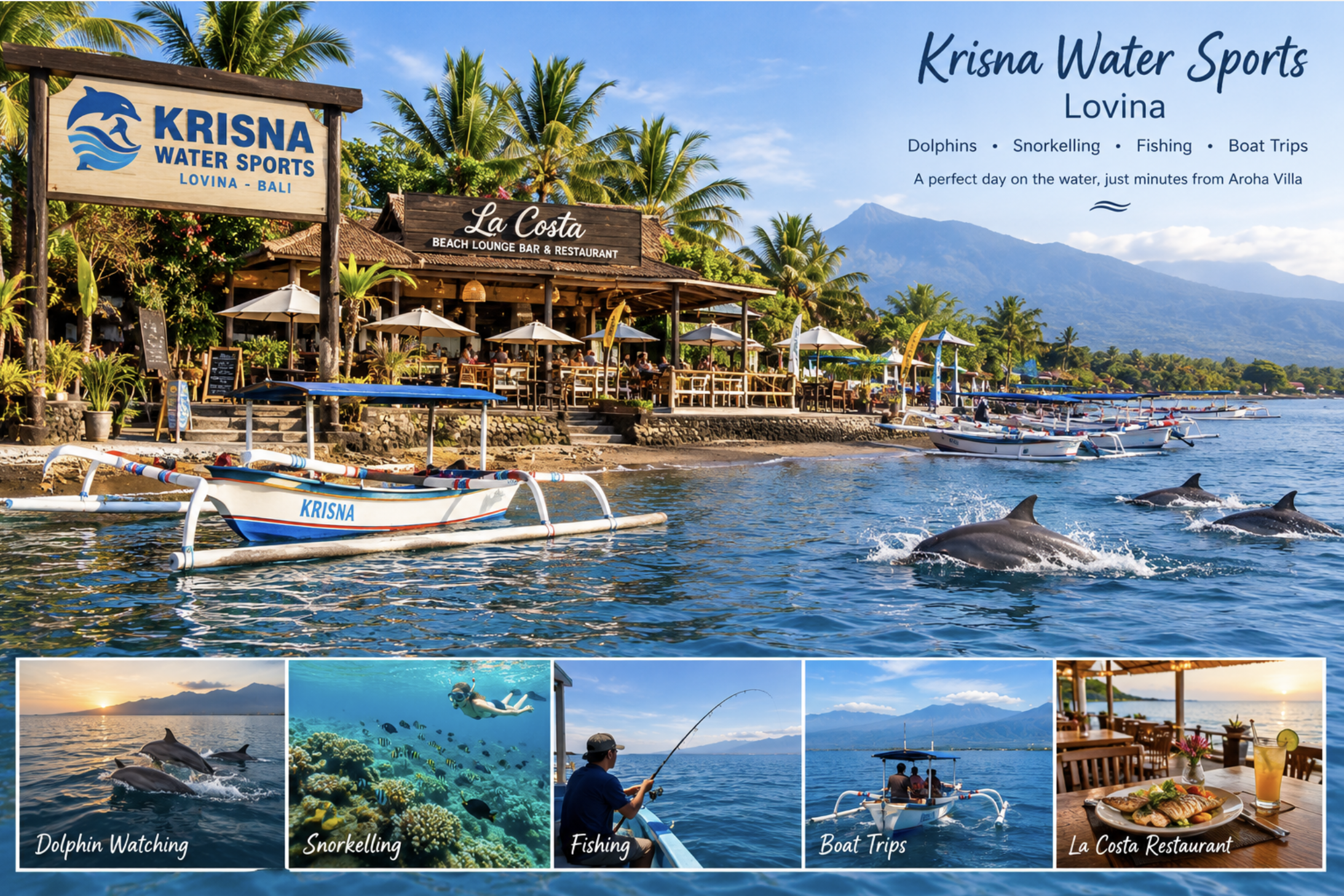
Krisna Water Sports
Just a short drive from Aroha Villa, Krisna Water Sports offers a wonderful way to experience the beauty of North Bali from the sea. Located along the peaceful Lovina coastline, it provides a range of enjoyable activities for couples, families and anyone wanting to get out on the water.One of the highlights is an early-morning dolphin-watching trip. Setting out in a traditional Balinese outrigger boat as the sun rises is an unforgettable experience, with the mountains of North Bali providing a spectacular backdrop. Depending on sea conditions, visitors may also enjoy snorkelling, fishing and relaxing boat trips along the coast.
The calm waters around Lovina make it particularly appealing for visitors who prefer a more relaxed alternative to the busier water-sports centres of southern Bali. The traditional boats and local boatmen also provide a glimpse into the long-standing connection between North Bali's coastal communities and the sea.
For guests at Aroha Villa, Krisna Water Sports is an easy addition to a day exploring Lovina and the surrounding attractions. We can help arrange transport and activities, allowing you to enjoy the experience without the hassle of organising everything yourself.
From dolphins at sunrise to the tranquil waters of Lovina, Krisna Water Sports is a memorable part of the North Bali experience.
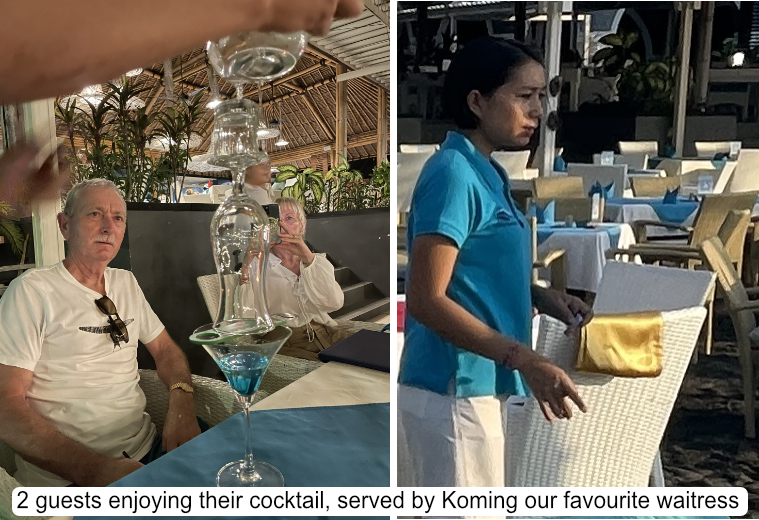
Spice Beach Club Bar & Restaurant
One of our favourite places to enjoy the Lovina coastline is Spice Beach Club Bar & Restaurant, right on the beachfront at Kaliasem. It is a relaxed and welcoming spot where you can enjoy good food, a cool drink and the beautiful Bali Sea just a few steps away.Spice is particularly special in the late afternoon. Find a comfortable spot overlooking the beach, order a drink and settle back as the sun begins to sink towards the horizon. The changing colours over the sea create a wonderful North Bali sunset, and there is no need to rush — this is a place to take your time and enjoy the moment.
The restaurant serves a varied menu with Indonesian favourites alongside Western dishes, including seafood and other popular choices. There are also cocktails, wine, beer and plenty of non-alcoholic options.
As the evening progresses, live music and entertainment add a little more energy to the relaxed beachfront atmosphere. It makes Spice equally enjoyable for a casual afternoon, dinner with friends or a romantic evening beside the sea.
Tip from Aroha Villa: make an evening of it. Enjoy the sunset, have dinner and stay on for the music. It is a lovely way to experience the relaxed, friendly character of Lovina — and one of those places where you may find yourself staying longer than planned.

Lovina Weather
One of the great attractions of Lovina, North Bali, is its warm tropical climate. Temperatures remain pleasantly warm throughout the year, with daytime temperatures generally around 27–30°C and warm evenings perfect for enjoying the pool, garden or a relaxed dinner outdoors. Lovina has a distinct wetter and drier season, although rain doesn't necessarily mean a day of poor weather. Tropical showers are often heavy but relatively brief, followed by sunshine. The driest period is generally June to September, while December to March tends to be wetter. Month Typical daytime temperature Rainfall What to expect:January: Warm, humid & tropical showers
February: Warm with regular showers
March: Warm, humid & improving
April: Hot with few showers
May: Warm & increasingly dry
June: Warm, sunny & dry
July: Dry, sunny & pleasantly warm
August: Very dry & sunny
September: Warm, sunny & dry
October: Hot with occasional showers
November: Warm, humid & tropical
December: Warm with tropical showers
The perfect escape There really isn't a bad time to visit Lovina. Even during the wet season there are blue skies and gentle breezes make it ideal for exploring North Bali.
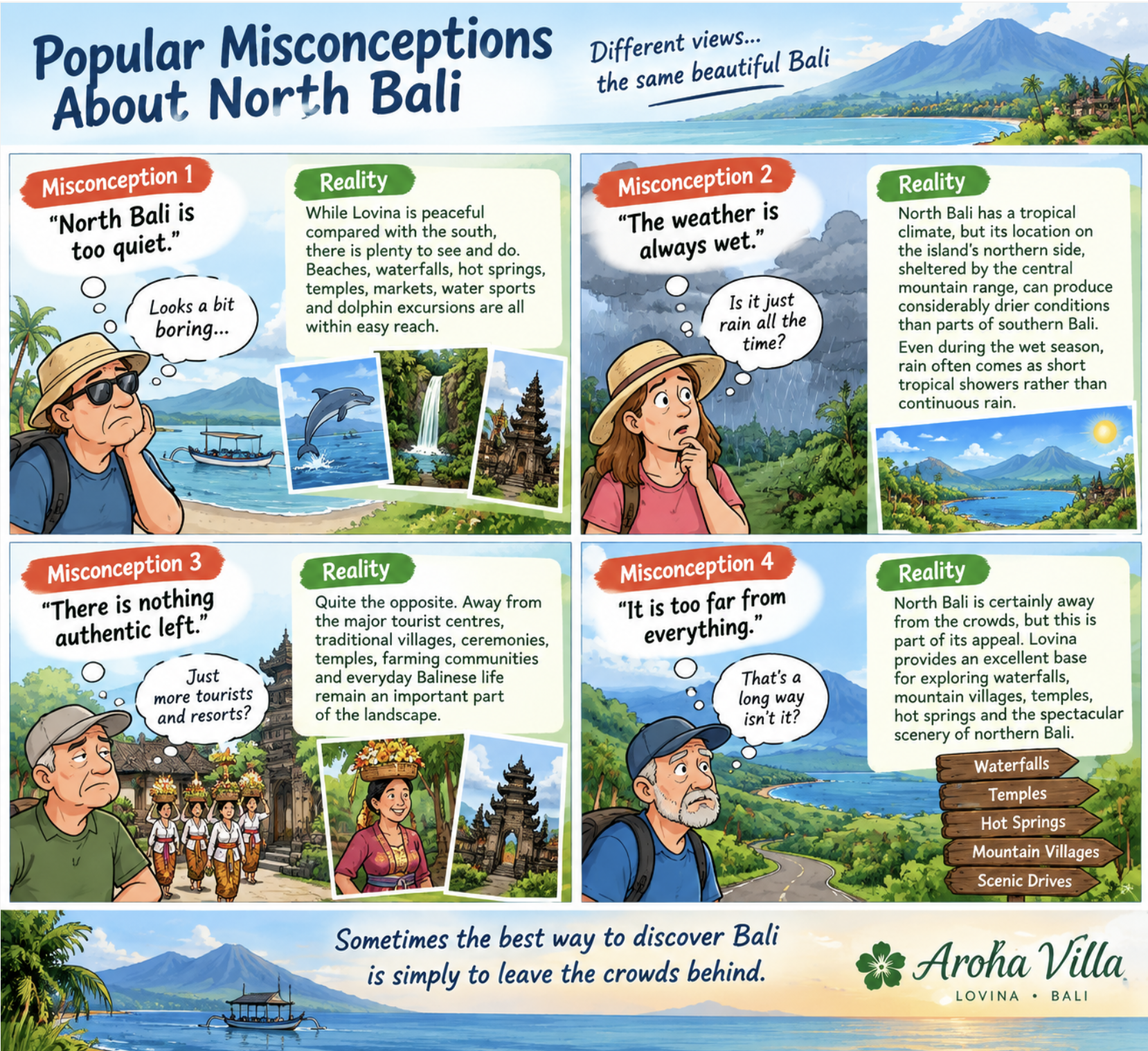
Misconceptions of North Bali
North Bali is sometimes overlooked by visitors who assume that the best of Bali is concentrated around the busy southern resorts. In reality, North Bali offers a very different and often more relaxed experience.“North Bali is too quiet.”
While Lovina is peaceful compared with Seminyak, Kuta or Canggu, there is plenty to see and do. Beaches, waterfalls, hot springs, temples, markets, restaurants, water sports and dolphin excursions are all within easy reach.
“The weather is always wet.”
North Bali has a tropical climate, but its location on the island's northern side, sheltered by the central mountain range, can produce considerably drier conditions than parts of southern Bali. Even during the wet season, rain often comes as short tropical showers rather than continuous rain.
“There is nothing authentic left.”
Quite the opposite. Away from the major tourist centres, traditional villages, ceremonies, temples, farming communities and everyday Balinese life remain an important part of the landscape.
“It is too far from everything.”
North Bali is certainly away from the crowds, but this is part of its appeal. Lovina provides an excellent base for exploring waterfalls, mountain villages, temples, hot springs and the spectacular scenery of northern Bali.
Sometimes the best way to discover Bali is simply to leave the crowds behind.
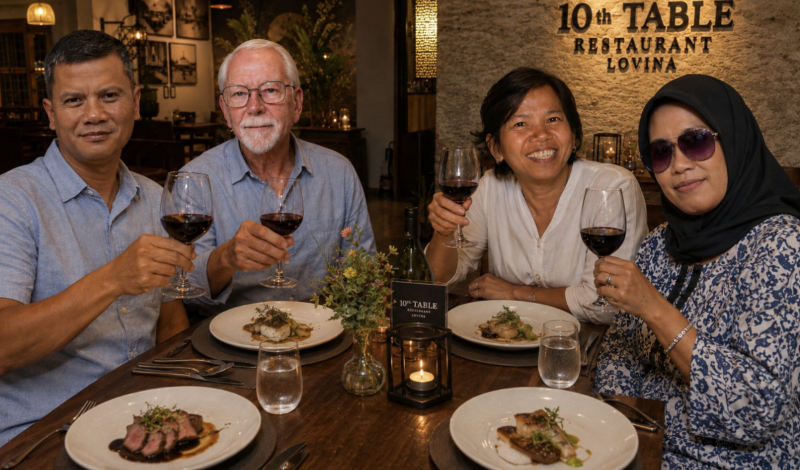
10th Table Restaurant
One of our favourite places for a special evening out is The 10th Table, a stylish restaurant in Lovina offering contemporary international cuisine in a relaxed and welcoming setting.We have enjoyed dinner there ourselves, and it is somewhere we are very happy to recommend to our guests at Aroha Villa. Whether you are looking for a romantic dinner for two, celebrating a special occasion, or simply want to enjoy a really good meal, The 10th Table provides a slightly more sophisticated dining experience while retaining the relaxed atmosphere that makes North Bali so enjoyable.
The menu features beautifully presented contemporary dishes prepared with quality ingredients, with a selection that caters for different tastes and dietary preferences. The restaurant also has a pleasant bar, making it a great place to enjoy a drink before dinner or linger afterwards.
For our guests, it is another example of the surprisingly diverse dining scene around Lovina. North Bali may be quieter and less developed than the south of the island, but that doesn't mean you have to compromise on good food or enjoyable evenings out.
We know because we've been there ourselves! The photograph is of us enjoying an evening at The 10th Table — one of the many experiences we love sharing with our Managers Adhi and Siti at Aroha Villa.
Wild North Bali
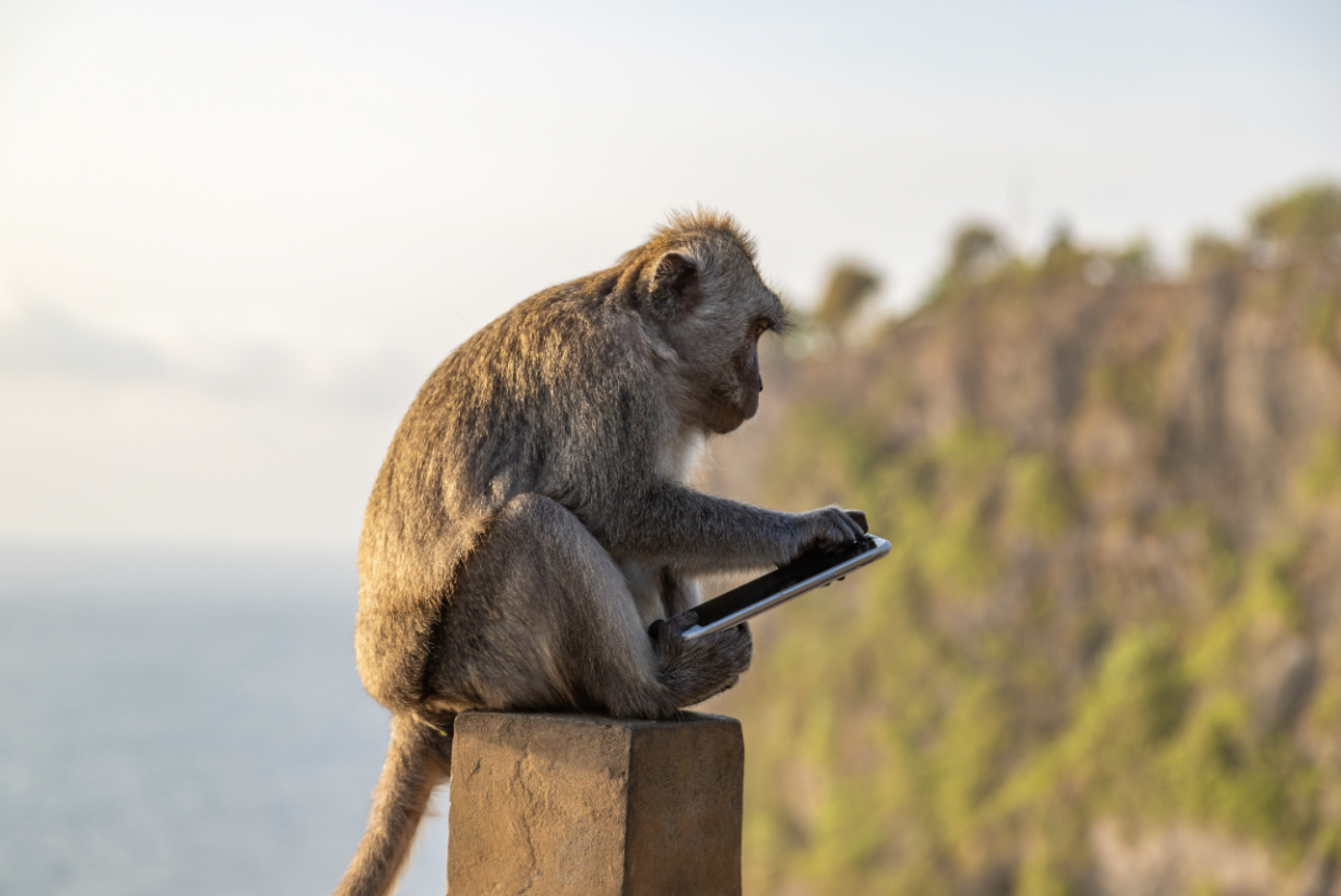
For visitors staying at Aroha Villa, experiencing Bali means discovering much more than beautiful beaches and tropical gardens. Venture into the hills and forests of North Bali and you may encounter one of the island's most fascinating residents—the long-tailed macaque.These lively and intelligent monkeys are found throughout Bali, particularly in forested areas and around temples. They have lived alongside Balinese communities for generations and hold a special place in Balinese culture, where monkeys are associated with Hanuman, the powerful monkey figure from the Hindu epic Ramayana.
North Bali's lush volcanic landscape provides an ideal environment for them. Watching a troop moving effortlessly through the trees, with young monkeys playing and adults keeping a watchful eye on their surroundings, can be a memorable experience.
Although they may look friendly, they are wild animals and can be surprisingly cheeky when food is involved! Visitors should never feed them and should keep food, glasses, phones and other loose belongings safely out of reach.
From Aroha Villa in Lovina, the journey into the mountains offers a completely different side of Bali—cooler air, spectacular scenery, traditional villages, temples, waterfalls and, if you're lucky, a glimpse of these fascinating creatures living in their natural environment.

Kintamani Dogs
Bali is home to a unique and much-loved native dog known as the Kintamani dog, named after the mountainous Kintamani region of central Bali. Recognised as an Indonesian breed, it is thought to have developed on the island over many generations, adapting naturally to Bali’s tropical climate and varied terrain.Kintamani dogs are generally medium-sized, with a distinctive thick double coat, pointed ears and a curled or plumed tail. White is particularly common, although black, brown and other colours also occur. Their appearance can vary considerably, reflecting their long history on the island.
Traditionally, Balinese dogs have been valued as watchdogs and companions, and they remain a familiar sight in villages throughout Bali. They are often independent, alert and territorial, while also forming strong bonds with the people who care for them. The broader population of Bali dogs has faced difficult times. Free-roaming dogs are common, and concerns about disease, abandonment and animal welfare have led to ongoing efforts by local communities and animal-rescue organisations to improve vaccination, sterilisation and responsible ownership.
For visitors, Bali’s dogs are part of the island’s everyday character. From village streets to rural compounds, they can be seen guarding homes, wandering alongside their owners and sleeping peacefully in the shade—a very visible part of traditional Balinese life.
Hierarchy of a Balinese Village
One of the fascinating things about Bali is the way village life is organised. It is much more than a collection of houses and people belong to a close-knit community where everyone has a role to play, it is a very well organised structure.At the family level, people look after their own household and family temple.
Families then belong to a Banjar, which is the local neighbourhood community. The Banjar brings people together to organise ceremonies, festivals, community projects and other important events and members are expected to help when their community needs them.
Several Banjars form a Desa Adat, or traditional village. This is responsible for protecting local customs, traditions, temples and religious practices. The Desa Adat is guided by a traditional leader called the Bendesa Adat.
There is also a separate government system, headed locally by the Perbekel, which deals with official administration and government services.
So, in simple terms: Family → Banjar → Desa Adat It is this strong sense of belonging and shared responsibility that gives many Balinese villages their distinctive character. For visitors, it also helps explain why ceremonies, temple festivals and community activities are such an important part of everyday life in Bali.
Bioluminescence
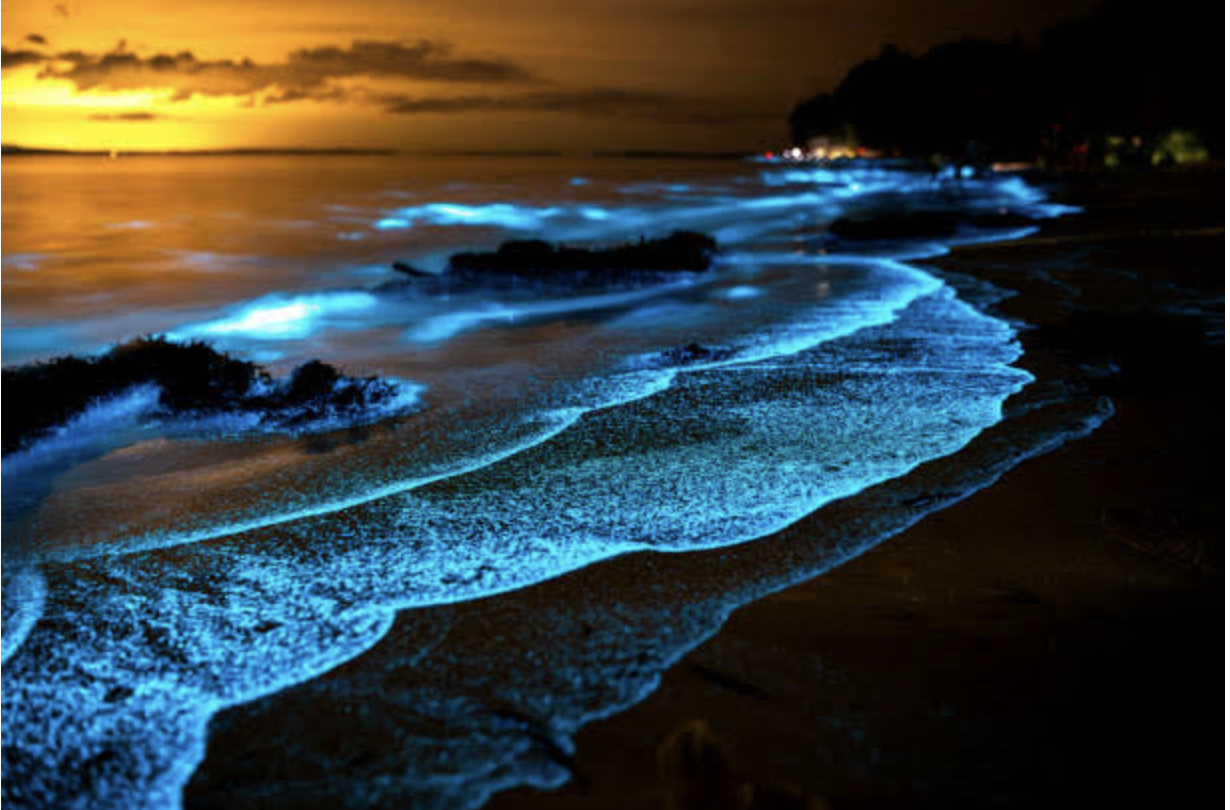
One of the most magical experiences you can discover around North Bali is bioluminescence — the natural phenomenon that makes the sea appear to sparkle and glow at night. Tiny marine organisms, known as bioluminescent plankton, produce flashes of blue-green light when disturbed by movement in the water.On a calm, dark night, swimming or moving through the water can create the impression that you are surrounded by thousands of tiny stars. Each movement can produce little bursts of light, making the experience feel almost otherworldly. It is a completely natural spectacle, and its appearance depends on conditions such as water temperature, tides, weather, moonlight and the concentration of plankton.
North Bali's relatively quiet coastline and lower levels of light pollution can provide excellent conditions for experiencing the night sea away from the brighter tourist areas. The best displays are never guaranteed, which is part of the adventure.
For guests staying at Aroha Villa, a local night-time bioluminescence trip can be combined with other North Bali experiences, making a memorable evening out of something very different from the usual Bali attractions. Imagine stepping into the warm tropical sea beneath a dark sky — and watching the water itself seem to come alive with light.
Cooking Classes
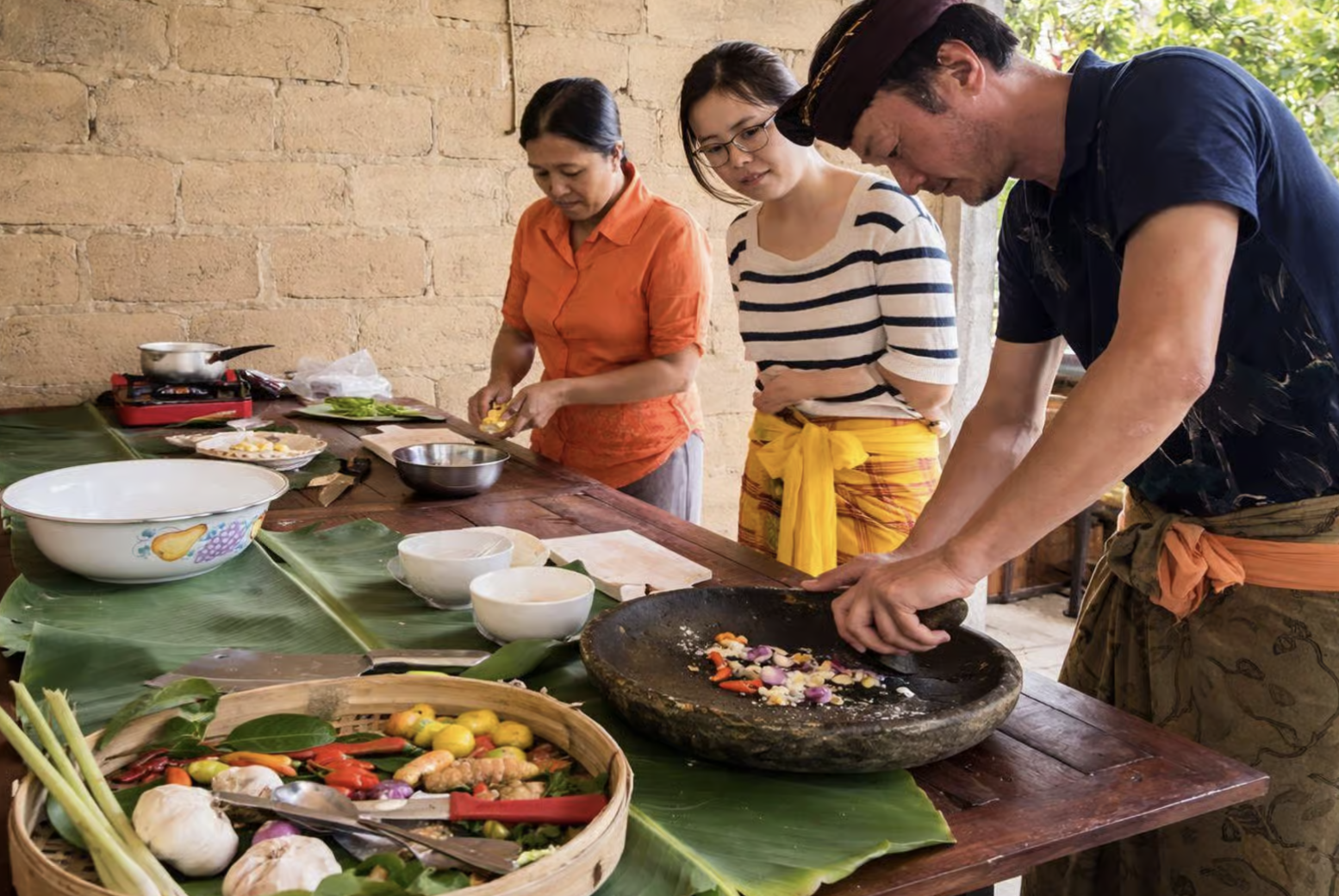
One of the best ways to experience Bali is through its food, and a cooking class in Lovina offers a wonderful opportunity to discover the flavours and traditions behind Balinese cuisine.Local cooking classes usually begin with a visit to a traditional market, where you can see the colourful selection of fresh vegetables, herbs, spices and other ingredients used every day in Balinese cooking. Your instructor will explain the ingredients and how they are used before you head into the kitchen to start preparing your meal.
Under the guidance of a local cook, you can learn to make some of Bali’s favourite dishes, such as traditional sambal, vegetable dishes, satay, curry and other fragrant specialties. You’ll discover how ingredients such as turmeric, ginger, galangal, lemongrass, chilli and coconut combine to create the distinctive flavours of Balinese food.
The best part comes at the end, when you sit down and enjoy the meal you have prepared.
For visitors staying in Lovina, a cooking class is more than just a meal—it is a relaxed and enjoyable introduction to Balinese culture, local ingredients and everyday life. And, of course, you can take your new recipes home and recreate a little taste of Bali in your own kitchen.
Adhi can pick you up and bring you back to Aroha Villa
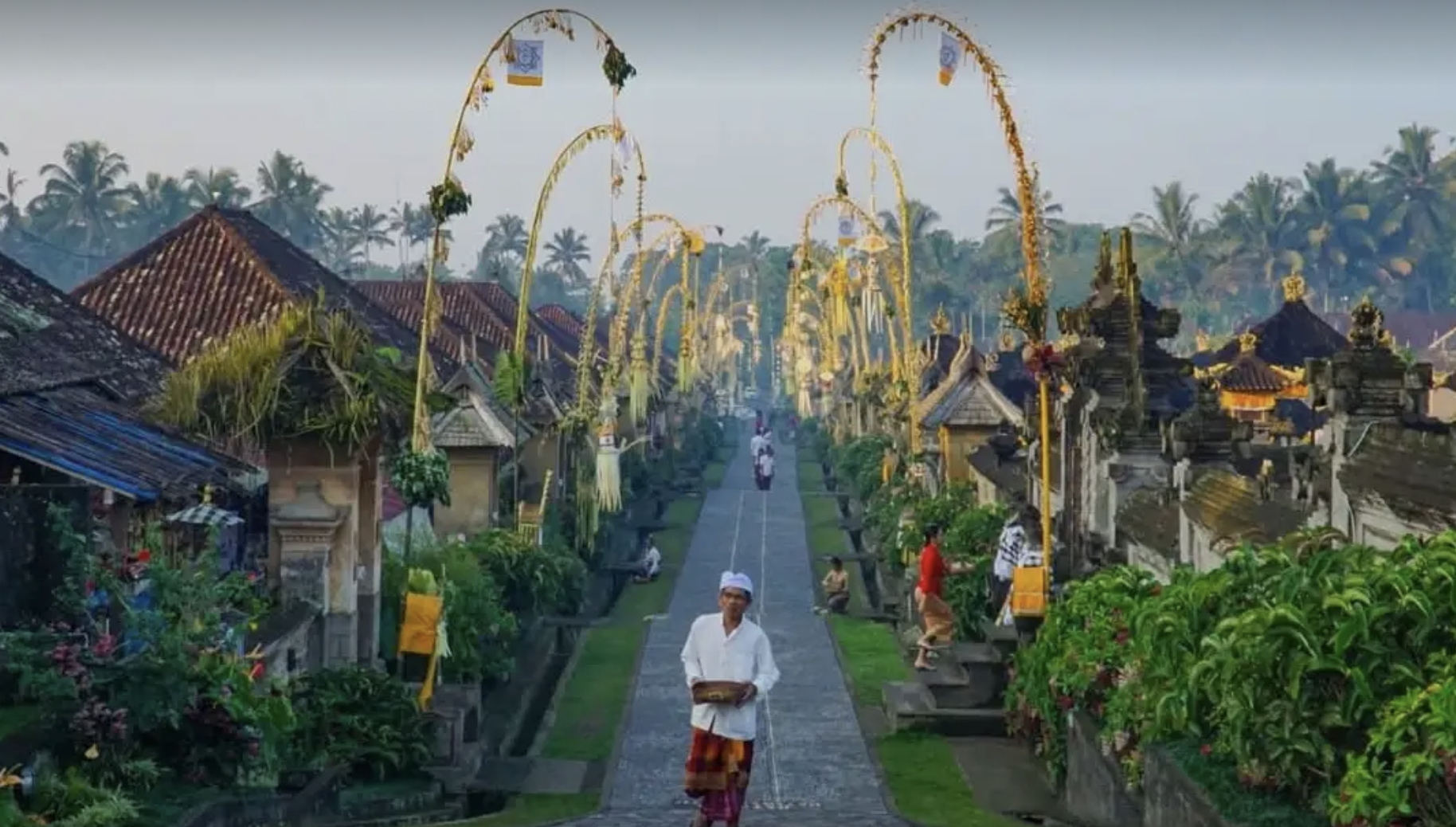
Pengliporan Village;
High in the cool hills of Bangli lies Penglipuran, one of Bali's best-known traditional villages and a wonderful example of Balinese village design. It is often described as a “model village” because of its beautifully maintained traditional houses, gardens and remarkably orderly layout.The village is built along a central avenue, with traditional compounds arranged on either side. Stone gateways, carefully swept pathways, bamboo and tropical gardens create a remarkably harmonious appearance. The houses follow traditional Balinese principles, with family buildings arranged within enclosed compounds rather than facing directly onto the street.
Penglipuran is also known for its strong sense of community and the care taken to preserve its traditional character. Unlike many tourist attractions, it remains a living village where local families continue their daily lives.
The surrounding area adds to the experience. A beautiful bamboo forest borders the village, providing a peaceful place to walk and escape the heat of the lowlands.
For visitors staying in North Bali, Penglipuran makes an interesting day trip into Bali's interior. It offers a glimpse of a different side of the island — one where traditional architecture, community life and the natural environment remain closely connected.
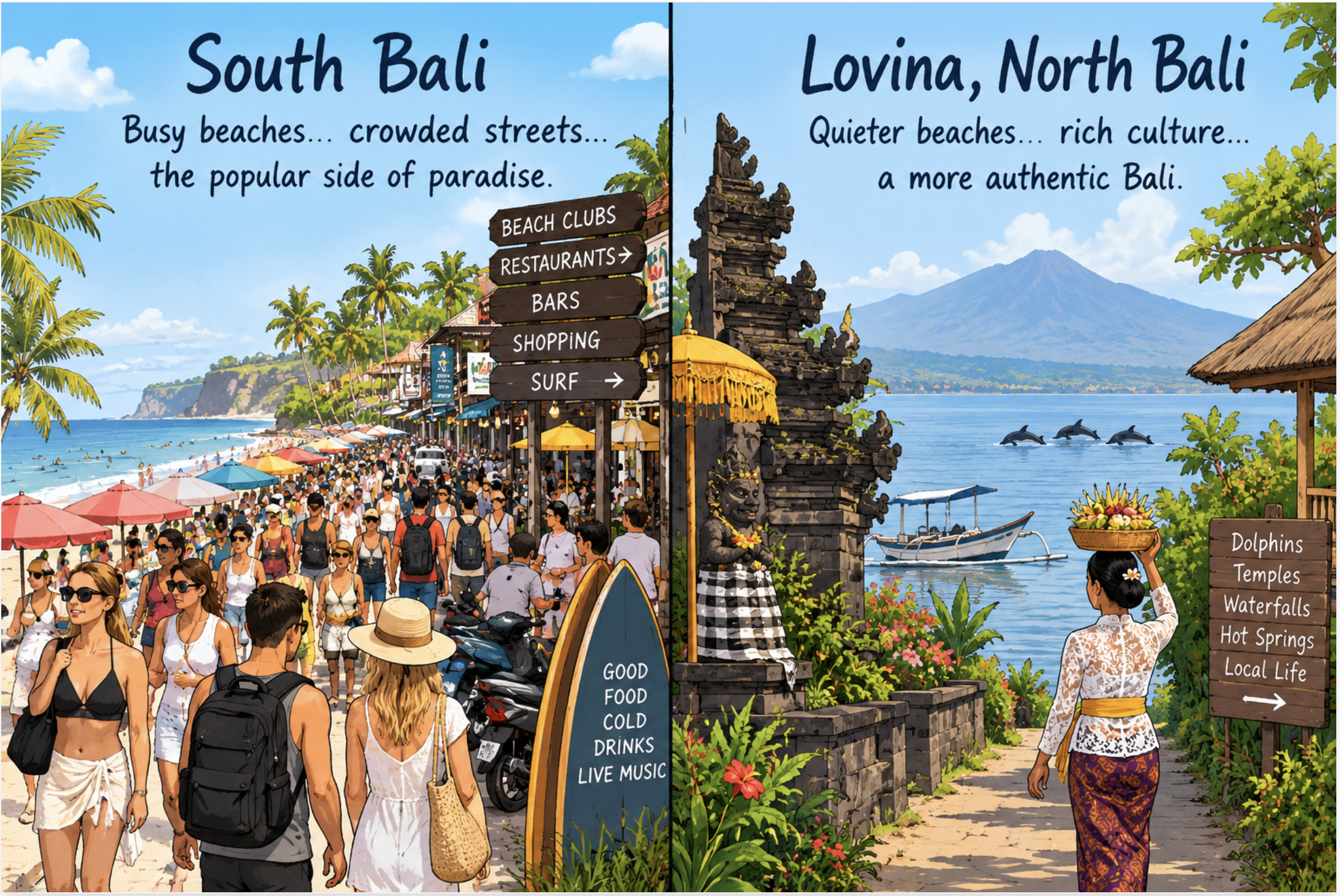
Tourism Visitors Lovina
Lovina has experienced a very different tourism journey from the busy resorts of southern Bali. The COVID-19 pandemic caused visitor numbers to collapse, but tourism in North Bali has since recovered steadily.Official Bali tourism statistics show that visits to the Lovina–Kalibukbuk attraction increased substantially after the pandemic. In 2023, the area recorded more than 45,000 domestic visits and over 5,000 international visits. In 2024, domestic visits increased to almost 97,000, while international visits rose to more than 6,000.
Across the wider Buleleng Regency, tourism reached approximately 1.5 million visitors in 2024, including more than 600,000 international and 900,000 domestic visitors.
Accommodation, however, remains more seasonal. In early April 2025, average hotel occupancy in Lovina was around 40%, although it rose to about 60% during the Eid holiday period.
Major events can make a dramatic difference. During the 2025 Lovina Festival, hotel occupancy reached around 85%, with some hotels completely full.
These figures suggest that Lovina is not a declining destination, but rather a quieter and less consistently busy part of Bali, with considerable potential for further growth.
International Tourism
Official Arrivals
There was a dramatic decline in Bali tourism, but it is important to separate the COVID collapse from
the longer-term picture. The evidence does not show that Bali tourism has generally declined over the
last five years. In fact, by 2025 it had recovered to above the pre-pandemic level.Foreign arrivals
2019 6.28 million
2020 1.07 million
2021 51 (COVID Lockdown)
2022 2.16 million
2023 5.27 million
2024 6.33 million
2025 6.95 million
There is also an interesting historical point:
published Buleleng tourism data show that Lovina/Kalibukbuk was already experiencing a decline in domestic visitors before COVID, while international visitation was much more resilient in South Bali
In March 2026 the Buleleng government began a staged infrastructure development programme for the Lovina tourism area, citing its potential as a leading destination but the need for better-organised infrastructure and a better visitor experience. Hopefully a positive decision on North Bali Airport will reverse the trend and attract more visitors who are more empathetic to Balinese culture. We certainly don't wish to repeat the mistakes of the south.